

Home Lone Worker Protection in transport and logistics
Lone working for drivers, delivery personnel, or operators in transport and logistics represents a major safety risk that employers must address. Indeed, drivers and warehouse employees frequently find themselves alone during their activities. In this context, a lone worker protection and prevention policy is necessary to protect these workers.
The need for lone worker protection in transport
Safety issues in road transport are particularly significant.
In 2020, according to the French Ministry for Ecological Transition website, 2,486 accidents resulting in time off work were recorded in road passenger transport, compared to 3,367 in 2019, representing 39.2 accidents per 1,000 employees. This rate was even higher in the transport and warehousing sector, with 59.5 accidents per 1,000 employees in 2019.
These figures can be explained by the sector's working conditions: anti-social hours and long distances promote fatigue and increase the risk of collisions or sudden illness, while physical constraints lead to musculoskeletal disorders. Lone working also increases exposure to assault and theft, and mechanical or chemical risks contribute to the frequency of accidents.
3,367
Lost-time accidents in 2019
59.5
Workplace accidents per 1,000 employees in 2019
What are the risks for HGV drivers?
HGV drivers face numerous risks when performing their daily tasks. Some risks are specific to this sector and these professions, such as road traffic accidents, and others are heightened due to the isolation of these workers during their operations (risks of sudden illness, stroke, etc.).

Health risks
Health risks are more significant for these workers because isolation often implies a delayed response in the event of an incident. Furthermore, certain health issues such as a stroke or cardiac arrest behind the wheel can be particularly dangerous if the driver loses consciousness while driving.
Without an alarm being triggered or the person being able to signal their distress, the emergency services' intervention is likely to be delayed. Yet every minute counts in the event of an accident, particularly in cases of stroke, heart attack, or haemorrhage.

Road accident risks
One of the primary dangers in the transport and logistics sector is the risk of road accidents. In certain environments or regions, isolation is heightened due to low traffic on some road routes, which can delay the assistance of a driver in distress.

Risk of assault
The risk of assault is also significant for mobile workers. This risk can also be heightened depending on the nature of the cargo being transported. Certain high-value cargoes can attract and increase the risk of assault or theft. This significantly exposes drivers, who must maintain increased vigilance and be able to call for help if they are attacked.
The ability to trigger a manual alert via an SOS button is essential in this type of situation. It is not only about protecting workers in the event of an incident but also about creating a reassuring working environment.

Psychological risks
Isolation at work is a stress factor that can harm a worker's mental health. In the case of drivers, this danger can be heightened by the risk of aggression, which is an aggravating stress factor for these workers.
Health risks
Health risks are more significant for these workers as isolation often leads to delayed assistance in the event of an incident. Furthermore, certain health issues like a stroke or heart attack while driving can be particularly dangerous if the driver loses consciousness while behind the wheel.
Without an alarm being triggered or the person being able to signal their distress, emergency response risks being delayed. Yet, every minute counts in an accident, especially in cases of stroke, heart attack, or haemorrhage.
Road accident risks
One of the primary dangers in the transport and logistics sector is the risk of road accidents. In certain environments or regions, isolation is heightened by the low traffic on some routes, which can delay help for a driver in distress.
Aggression risks
The risk of aggression is also significant for mobile workers. This risk can also be heightened depending on the nature of the cargo being transported. Some valuable shipments can attract and increase the risks of aggression or theft. This exposes drivers significantly, as they must maintain high vigilance and be able to call for help if attacked.
The ability to trigger a manual alert via an SOS button is essential in this type of situation. It is not only about protecting workers in the event of an incident but also about creating a peaceful working environment.
Psychological risks
Isolation at work is a stress factor that can harm a worker's mental health. In the case of drivers, this danger can be heightened by the risk of aggression, which is an aggravating stress factor for these workers.
What does the Labour Code say?
The Labour Code highlights the general obligation for employers to protect their employees, regarding both mental and physical health.
Beyond this general obligation, the Labour Code specifies employers' obligations regarding lone working. Indeed, there is a strict regulatory framework governing these types of activities:
Beyond this general obligation, the Labour Code specifies employers' obligations regarding lone working. Indeed, there is a strict regulatory framework governing these types of activities:
- Article L. 4121-1: the employer must ensure the safety and protect the health of their employees.
- Article L. 4121-2: obligation to prevent occupational risks.
- Under French Labour Code Article R. 4543-19 (for certain works): a lone worker must be able to receive prompt assistance in the event of an accident.
Protecting these mobile lone workers is therefore a legal obligation for employers and companies. Penalties can be severe, as shown by case law related to Lone Worker Protection. Beyond the legal aspect, ensuring worker safety with reliable measures is a strategic asset. Indeed, a serene working environment effectively leads to improved operations.
Protecting these mobile lone workers is therefore a legal obligation for employers and companies. Penalties can be severe, as shown by case law related to Lone Worker Protection (PTI). Beyond the legal aspect, ensuring worker safety with reliable measures is a strategic asset. Indeed, a serene working environment effectively leads to improved operations.
Prevention measures to protect lone delivery drivers?
There are several measures and solutions to protect delivery drivers during their activities. Protecting professionals in this sector requires the implementation of specific safety devices and protocols that must be part of the company's general prevention approach:
The identification and recording of all situations involving a lone working risk
The implementation of specific protocols to regularly ensure the delivery driver's well-being (calling the driver regularly during the day, etc.)
Dedicated safety solutions for lone worker protection, such as Lone Worker Protection systems or Lone Worker Alarm Devices
Setting up safety awareness and training for lone worker protection





Why choose Sysnav's Lone Worker Protection and Alarm Device solution to protect lone truck drivers?
Sysnav's lone worker device is suited to mobile work situations for truck drivers and workers in the transport and logistics sectors. Indeed, Sysnav’s lone worker alarm device benefits from all the Lone Worker Protection features required to protect drivers:
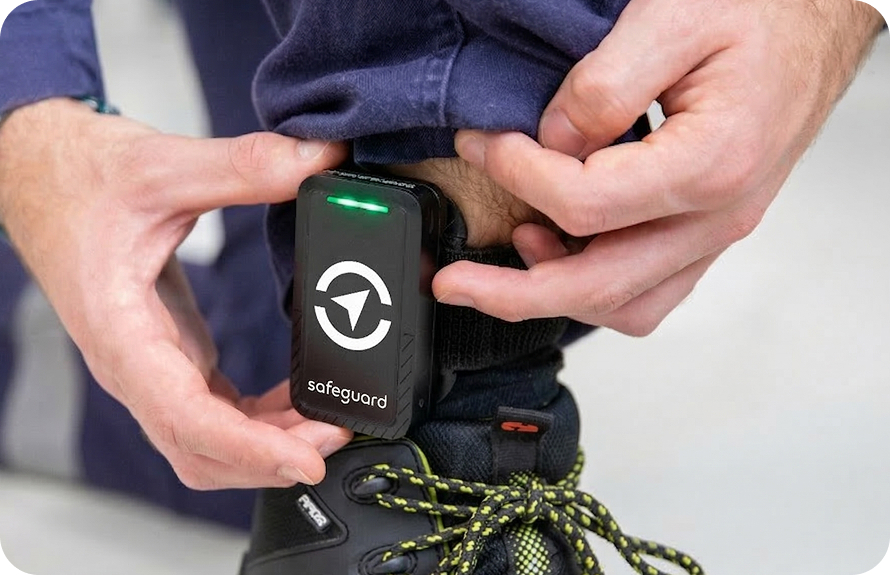
- Comfortable leg-worn device to reliably detect an incident even while driving
- A wearing mode adapted to high-risk situations: a Lone Worker Protection solution hidden at the ankle in case of assault
- Location of the worker in distress via activation of the GPS module in the event of an alert for rapid assistance
- A monitoring platform that allows the GPS position of the worker in distress to be viewed on a map (location in case of distress only)
- Alert escalation chains configurable by day of the week, time, and wearer to notify the correct manager
- A SOS button to send an alarm in case of assault via the smartphone functionality
- The ability to configure alarm criteria so that the solution best adapts to the operators
In the transport and logistics sector, many employees find themselves alone while performing their activities. Whether on the road or in a warehouse loading a vehicle, these employees regularly face situations of isolation. This requires a safety policy from the company.
In this context, Lone Worker Protection is not only a moral obligation for employers to protect employees but also a strategic asset for performance. Through an effective safety policy, the company effectively creates a serene working environment for employees.
More information about the Lone Worker Protection and Alarm Device:
Frequently Asked Questions
Why is a driver considered a lone worker?
What are the specific risks in the transport sector?
Furthermore, falling ill while driving represents a risk in itself, as any loss of consciousness in this type of situation can cause an accident.
How to choose a lone worker alarm device suitable for hauliers and truck drivers?
- Alert trigger criteria linked to the specific risks of mobile workers (SOS button in case of assault)
- Location functionality in the event of an incident to ensure rapid assistance
- Suitable communication network: public 4G, etc.
- A lone worker alarm device with a comfortable wearing style suited to drivers
- A device that does not trigger false alarms
Are coach drivers also lone workers?
This is why the implementation of specific safety protocols and/or devices such as lone worker alarm solutions must be studied in companies that employ coach drivers.